
DEMENTIA & VERTIGO

DEMENTIA & VERTIGO
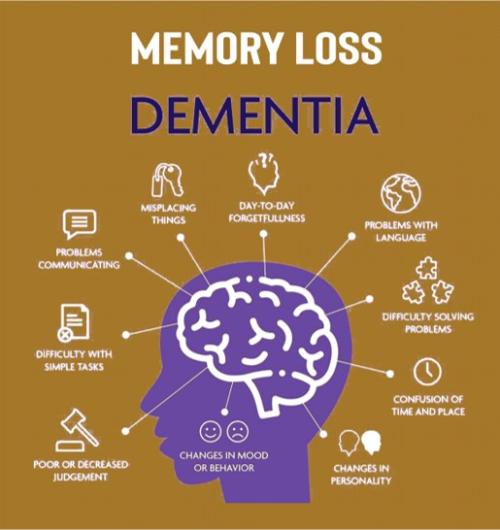
Dementia is an umbrella term used to describe a range of conditions characterized by cognitive decline and impairment in memory, thinking, and behavior. There are several types of dementia, each with its own distinct features and underlying causes
Alzheimer's Disease: Alzheimer's is the most common cause of dementia, accounting for approximately 60-70% of cases. It is a progressive neurodegenerative disorder characterized by the accumulation of abnormal protein deposits (amyloid plaques and tau tangles) in the brain, leading to the gradual loss of neurons and brain function
Vascular Dementia: Vascular dementia is caused by reduced blood flow to the brain, usually as a result of small strokes or damage to blood vessels. It is the second most common cause of dementia and often coexists with Alzheimer's disease. Symptoms can vary depending on the location and extent of brain damage but may include problems with executive function, attention, and decision-making, as well as difficulties with walking or balance
Lewy Body Dementia (LBD): LBD is characterized by the presence of abnormal protein deposits called Lewy bodies in the brain. It shares some features with both Alzheimer's disease and Parkinson's disease, including cognitive impairment, visual hallucinations, fluctuations in alertness and attention, and motor symptoms such as tremors and stiffness
Mixed Dementia: Mixed dementia refers to the coexistence of two or more types of dementia in the same individual, most commonly Alzheimer's disease and vascular dementia
Parkinson's Disease Dementia: Some individuals with Parkinson's disease develop dementia as the condition progresses. Parkinson's disease dementia shares many similarities with Lewy body dementia and is characterized by cognitive impairment, motor symptoms, and visual hallucinations
Vertigo is a sensation of spinning or dizziness, often described as feeling like you or your surroundings are moving or spinning when they are not. It can be a symptom of various underlying conditions affecting the inner ear, vestibular system, or central nervous system
Benign Paroxysmal Positional Vertigo (BPPV): BPPV is the most common cause of vertigo. It occurs when small calcium crystals in the inner ear become dislodged and move into the semicircular canals, causing brief episodes of intense spinning sensation triggered by changes in head position
Vestibular Neuritis and Labyrinthitis: Vestibular neuritis and labyrinthitis are both caused by inflammation of the vestibular nerve or the inner ear structures (labyrinth). Vestibular neuritis typically presents with sudden onset of severe vertigo, often accompanied by nausea and vomiting, while labyrinthitis may also include hearing loss and ringing in the ears (tinnitus)
Meniere's Disease: Meniere's disease is a chronic inner ear disorder characterized by episodes of vertigo, fluctuating hearing loss, tinnitus, and a feeling of fullness or pressure in the ear. The exact cause of Meniere's disease is unknown, but it is believed to involve abnormal fluid buildup in the inner ear
Migraine-Associated Vertigo (MAV): Some individuals with migraine headaches may experience episodes of vertigo, often accompanied by other migraine symptoms such as headache, visual disturbances, and sensitivity to light and sound
Central Vertigo: Central vertigo is caused by disorders of the central nervous system, such as stroke, multiple sclerosis, or brain tumors. Central vertigo typically presents with more subtle or gradual onset of vertigo symptoms and may be associated with additional neurological symptoms such as weakness, numbness, or difficulty with coordination
Mal de Debarquement Syndrome (MdDS): MdDS is a rare condition characterized by a persistent sensation of rocking or swaying, typically occurring after exposure to motion such as sea travel. The sensation may persist for weeks, months, or even years after the motion stimulus has ceased