
KIDNEY DISEASES

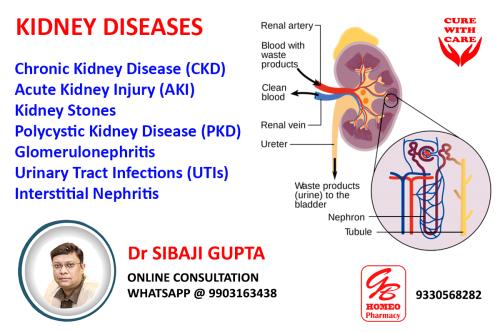
Chronic Kidney Disease (CKD) CKD can develop over time due to conditions such as high blood pressure, diabetes, and glomerulonephritis (inflammation of the kidney's filtering units). Other factors contributing to CKD include autoimmune diseases, polycystic kidney disease (a genetic disorder), recurrent kidney infections, urinary tract obstructions, and prolonged use of certain medications or toxins.
Acute Kidney Injury (AKI) AKI can result from sudden, severe loss of kidney function due to conditions such as dehydration, blood loss, severe infections (sepsis), heart failure, liver failure, urinary tract obstruction, certain medications (e.g., NSAIDs, certain antibiotics), and contrast dyes used in imaging tests.
Kidney Stones Kidney stones are hard mineral deposits that form in the kidneys. They can develop due to various factors, including dehydration, dietary factors (high intake of calcium, oxalate, or uric acid), family history of kidney stones, certain medical conditions (such as hyperparathyroidism), and certain medications.
Polycystic Kidney Disease (PKD) PKD is a genetic disorder characterized by the growth of numerous cysts in the kidneys. It is caused by mutations in certain genes, which can be inherited from one or both parents. PKD can lead to kidney enlargement, impaired kidney function, and eventually kidney failure.
Glomerulonephritis Glomerulonephritis refers to inflammation of the glomeruli, the tiny filters in the kidneys. It can be caused by various factors, including infections (such as strep throat or other bacterial infections), autoimmune diseases (such as lupus or Goodpasture syndrome), exposure to certain toxins or medications, and diseases that affect the body's immune system.
Urinary Tract Infections (UTIs) UTIs occur when bacteria enter the urinary tract and multiply. Common causes include bacterial contamination from the rectum or vagina, incomplete emptying of the bladder, urinary tract obstructions (such as kidney stones), catheter use, and sexual activity.
Interstitial Nephritis Interstitial nephritis involves inflammation of the kidney's interstitial tissue. It can be caused by allergic reactions to medications (such as antibiotics or NSAIDs), infections (such as viral or bacterial infections), autoimmune diseases, and certain systemic conditions.