
INDIGESTION
&
CONSTIPATION

CONSTIPATION
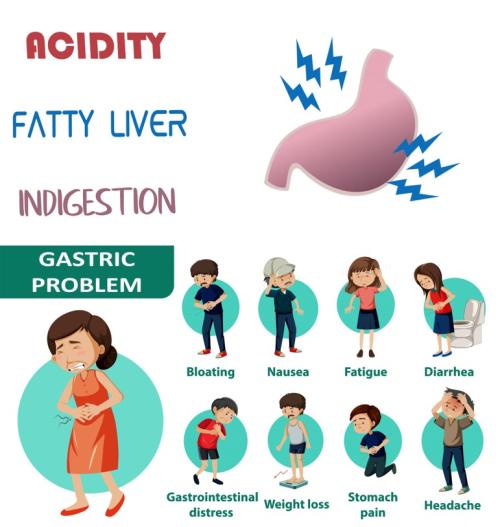
INDIGESTION (Dyspepsia)
Indigestion, also known as dyspepsia, is a term used to describe discomfort or pain in the upper abdomen, often accompanied by symptoms such as bloating, belching, and nausea. It can have various causes, including overeating, eating too quickly, consuming fatty or spicy foods, stress, and certain medications. Indigestion can sometimes be a symptom of an underlying digestive condition, such as gastroesophageal reflux disease (GERD) or peptic ulcers
Causes
Overeating: Consuming large meals or eating too quickly can overwhelm the digestive system and lead to indigestion.
Eating Spicy or Fatty Foods: Spicy, greasy, or fatty foods can irritate the stomach lining and trigger indigestion.
Excessive Caffeine or Alcohol: Drinks containing caffeine or alcohol can relax the lower esophageal sphincter (the muscle that closes off the stomach from the esophagus), allowing stomach acid to flow back into the esophagus and cause indigestion.
Smoking: Tobacco smoke can irritate the lining of the stomach and increase the risk of indigestion.
Stress and Anxiety: Emotional stress or anxiety can affect digestion and contribute to symptoms of indigestion.
Medications: Certain medications, such as nonsteroidal anti-inflammatory drugs (NSAIDs), antibiotics, corticosteroids, and bisphosphonates, can irritate the stomach lining and cause indigestion
Hemorrhoids are swollen and inflamed veins in the rectum and anus that can cause discomfort, bleeding, itching, and pain, especially during bowel movements
Straining During Bowel Movements: This is one of the most common causes, often associated with constipation or diarrhea.
Pregnancy: Increased pressure on the veins in the lower pelvic area during pregnancy can lead to hemorrhoids.
Obesity: Excess weight can increase pressure on the veins in the lower rectum and anus.
Chronic Diarrhea or Constipation: Frequent bowel movements or straining during bowel movements can contribute to the development of hemorrhoids.
Sitting or Standing for Long Periods: Prolonged sitting or standing can increase pressure on the veins in the anus and rectum
Symptoms of hemorrhoids can vary but may include rectal bleeding (bright red blood in the stool or on toilet paper), itching or irritation around the anus, pain or discomfort during bowel movements, swelling or lumps near the anus, and leakage of feces
ACIDITY
Acidity, or acid reflux, occurs when stomach acid flows back up into the esophagus, causing a burning sensation in the chest (heartburn) and other symptoms such as regurgitation, chest pain, and difficulty swallowing. Chronic acid reflux can lead to complications such as esophagitis (inflammation of the esophagus), Barrett's esophagus (a precancerous condition), or even esophageal cancer. Common triggers for acid reflux include spicy or acidic foods, fatty foods, alcohol, caffeine, smoking, obesity, and certain medications
Causes
Hiatal Hernia: A hiatal hernia occurs when a portion of the stomach protrudes into the chest through the diaphragm, which can weaken the lower esophageal sphincter and contribute to acid reflux.
Dietary Triggers: Certain foods and beverages, such as spicy or acidic foods, fatty foods, caffeine, alcohol, chocolate, and citrus fruits, can trigger acid reflux.
Obesity: Excess body weight can increase pressure on the abdomen and promote acid reflux.
Pregnancy: Hormonal changes and increased pressure on the abdomen during pregnancy can contribute to acid reflux.
Smoking: Tobacco smoke can relax the lower esophageal sphincter and increase the risk of acid reflux
GASTRIC PROBLEMS
Gastric problems can refer to various conditions affecting the stomach, including gastritis, peptic ulcers, gastroenteritis, gastroparesis, and gastric cancer. Gastritis is inflammation of the stomach lining, which can be caused by infection with Helicobacter pylori bacteria, excessive alcohol consumption, or long-term use of nonsteroidal anti-inflammatory drugs (NSAIDs). Peptic ulcers are open sores that develop on the lining of the stomach or small intestine, often due to infection with H. pylori bacteria or long-term use of NSAIDs. Gastroenteritis is inflammation of the stomach and intestines, usually caused by viral or bacterial infections. Gastroparesis is delayed emptying of the stomach, often associated with diabetes or neurological conditions. Gastric cancer is cancerous growths in the stomach lining, which can present with symptoms such as unexplained weight loss, abdominal pain, or difficulty swallowing
Causes
Helicobacter pylori (H. pylori) Infection: H. pylori bacteria are a common cause of gastritis and peptic ulcers.
NSAID Use: Long-term use of nonsteroidal anti-inflammatory drugs (NSAIDs), such as aspirin, ibuprofen, and naproxen, can irritate the stomach lining and increase the risk of gastritis and peptic ulcers.
Excessive Alcohol Consumption: Alcohol can irritate the stomach lining and increase the risk of gastritis and peptic ulcers.
Stress and Anxiety: Emotional stress or anxiety can affect gastric motility and increase the risk of gastritis and peptic ulcers.
Certain Medical Conditions: Conditions such as gastroesophageal reflux disease (GERD), Crohn's disease, ulcerative colitis, and Zollinger-Ellison syndrome can increase the risk of gastric problems
ULCERS
Peptic ulcers are open sores that develop on the lining of the stomach, small intestine, or esophagus, often due to infection with H. pylori bacteria or long-term use of NSAIDs. They can cause symptoms such as burning pain in the abdomen, bloating, nausea, vomiting, and black or bloody stools. Complications of peptic ulcers can include bleeding, perforation (a hole in the stomach or intestine), and obstruction (blockage of the digestive tract)
Causes
H. pylori Infection: H. pylori bacteria are a major cause of peptic ulcers, including gastric ulcers (in the stomach) and duodenal ulcers (in the upper part of the small intestine).
NSAID Use: Long-term use of nonsteroidal anti-inflammatory drugs (NSAIDs), such as aspirin, ibuprofen, and naproxen, can irritate the stomach lining and increase the risk of peptic ulcers.
Smoking: Tobacco smoke can weaken the protective lining of the stomach and increase the risk of peptic ulcers.
Excessive Alcohol Consumption: Alcohol can irritate the stomach lining and increase the risk of peptic ulcers.
Stress and Anxiety: While stress alone is not a direct cause of ulcers, it can increase stomach acid production and exacerbate symptoms in individuals with H. pylori infection or NSAID use
FATTY LIVER
Fatty liver disease, also known as hepatic steatosis, is a condition characterized by the accumulation of fat in the liver cells. While a small amount of fat in the liver is normal, excessive fat accumulation can lead to inflammation and damage to the liver tissue. Fatty liver disease can be categorized into two main types: non-alcoholic fatty liver disease (NAFLD) and alcoholic fatty liver disease (AFLD)
Non-Alcoholic Fatty Liver Disease (NAFLD): NAFLD is a condition in which excess fat accumulates in the liver of individuals who drink little to no alcohol. It is commonly associated with obesity, insulin resistance, metabolic syndrome, and other metabolic disorders. NAFLD can range from simple fatty liver (steatosis) to non-alcoholic steatohepatitis (NASH), which involves inflammation and liver cell damage. In some cases, NASH can progress to advanced liver disease, such as fibrosis, cirrhosis, or liver cancer.
Alcoholic Fatty Liver Disease (AFLD): AFLD occurs in individuals who consume excessive amounts of alcohol, leading to the accumulation of fat in the liver. It is the earliest stage of alcohol-related liver disease and can progress to more severe conditions such as alcoholic hepatitis, fibrosis, cirrhosis, or liver failure if alcohol consumption continues
Symptoms
Fatty liver disease often does not cause symptoms in its early stages. However, as the condition progresses, individuals may experience symptoms such as fatigue, weakness, abdominal discomfort, enlarged liver (hepatomegaly), or elevated liver enzymes detected on blood tests. In more advanced stages, symptoms of liver damage or cirrhosis may develop, including jaundice (yellowing of the skin and eyes), fluid retention (ascites), easy bruising or bleeding, and confusion or cognitive impairment
Stages of Fatty Liver
Fatty liver disease can progress through several stages, ranging from simple fatty liver (steatosis) to more severe forms of liver damage such as non-alcoholic steatohepatitis (NASH), fibrosis, cirrhosis, and liver cancer
Simple Fatty Liver (Steatosis): In this early stage, excess fat accumulates in the liver cells (hepatocytes), but there is little to no inflammation or liver cell damage. Simple fatty liver is often asymptomatic and may not cause noticeable symptoms. It is typically reversible with lifestyle modifications such as weight loss, dietary changes, and regular exercise.
Non-Alcoholic Steatohepatitis (NASH): NASH is a more advanced stage of fatty liver disease characterized by inflammation and liver cell damage in addition to fat accumulation. NASH can progress to more severe liver complications such as fibrosis, cirrhosis, or liver cancer. Individuals with NASH may experience symptoms such as fatigue, abdominal discomfort, and elevated liver enzymes detected on blood tests. NASH carries a higher risk of liver-related complications compared to simple fatty liver and requires closer monitoring and management.
Fibrosis: Fibrosis occurs when scar tissue begins to form in the liver as a result of ongoing inflammation and liver cell damage. Fibrosis is a progressive condition that can range from mild (early-stage fibrosis) to advanced (severe or bridging fibrosis). In the early stages, fibrosis may be reversible with appropriate treatment and lifestyle changes. However, advanced fibrosis can lead to cirrhosis if left untreated.
Cirrhosis: Cirrhosis is the most severe stage of liver damage and occurs when extensive scar tissue replaces healthy liver tissue, leading to impaired liver function. Cirrhosis is irreversible and can cause serious complications such as portal hypertension, ascites (fluid buildup in the abdomen), hepatic encephalopathy (confusion or cognitive impairment), variceal bleeding, and liver failure. Individuals with cirrhosis require ongoing medical care and may eventually need a liver transplant.
Liver Cancer: Chronic liver inflammation and damage associated with fatty liver disease, particularly NASH and cirrhosis, increase the risk of developing liver cancer (hepatocellular carcinoma). Liver cancer is a serious and potentially life-threatening condition that requires prompt diagnosis and treatment
CONSTIPATION
Constipation is a common digestive issue characterized by infrequent bowel movements, difficulty passing stools, or the sensation of incomplete emptying of the bowels. It can vary in severity and may be accompanied by symptoms such as abdominal discomfort, bloating, gas, and straining during bowel movements
Causes
Dietary Factors: Not consuming enough fiber-rich foods, such as fruits, vegetables, whole grains, and legumes, can contribute to constipation. Insufficient fluid intake or excessive consumption of dairy products or processed foods low in fiber may also play a role.
Lack of Physical Activity: Sedentary lifestyle or lack of regular physical activity can slow down bowel movements and contribute to constipation.
Medications: Certain medications, such as opioids, antacids containing aluminum or calcium, some antidepressants, anticholinergic drugs, and iron supplements, can cause constipation as a side effect.
Medical Conditions: Underlying medical conditions such as irritable bowel syndrome (IBS), hypothyroidism, diabetes, neurological disorders (e.g., Parkinson's disease, multiple sclerosis), pelvic floor dysfunction, or structural abnormalities in the colon or rectum may contribute to constipation.
Changes in Routine or Environment: Traveling, changes in diet or daily routine, stress, or ignoring the urge to have a bowel movement can disrupt normal bowel habits and lead to constipation.
Pregnancy: Hormonal changes, increased pressure on the intestines from the growing uterus, and iron supplements commonly used during pregnancy can contribute to constipation.
Aging: As people age, bowel movements may become less frequent due to changes in digestive function, decreased physical activity, and use of medications
Treatment and Prevention
Dietary Changes: Increasing fiber intake by consuming more fruits, vegetables, whole grains, and legumes. Fiber supplements such as psyllium husk or methylcellulose may also be helpful.
Hydration: Drinking plenty of water and staying adequately hydrated throughout the day.
Regular Physical Activity: Engaging in regular exercise or physical activity to promote healthy bowel function.
Establishing Regular Bowel Habits: Trying to have a bowel movement at the same time each day, preferably after meals, can help regulate bowel function.
Stool Softeners or Laxatives: In some cases, over-the-counter stool softeners, fiber supplements, or laxatives may be used temporarily to relieve constipation. However, these should be used with caution and under the guidance of a healthcare provider, as long-term use can lead to dependence or other complications.
Addressing Underlying Medical Conditions: Treating underlying medical conditions contributing to constipation, such as hypothyroidism or irritable bowel syndrome.
Avoiding or Limiting Certain Medications: If possible, avoiding or reducing the use of medications that can cause constipation.
Biofeedback Therapy: For individuals with pelvic floor dysfunction, biofeedback therapy may help retrain the muscles involved in bowel movements
An anal fistula is an abnormal tunnel-like tract that forms between the anal canal or rectum and the skin around the anus. It usually develops as a complication of a previous anal abscess, which occurs when an infection in an anal gland spreads and forms a collection of pus
Anal Abscess An anal abscess is a collection of pus that forms in the anal canal or surrounding tissues, often due to infection from an anal gland.
Inflammatory Bowel Disease (IBD) Conditions such as Crohn's disease or ulcerative colitis can increase the risk of developing anal fistulas.
Trauma or Injury to the Anal Region Previous surgery, childbirth, or injury to the anal area can sometimes lead to the formation of an anal fistula.
Infection Sexually transmitted infections (STIs) or other infections in the anal region can contribute to the development of anal fistulas.
Symptoms of an anal fistula may include persistent pain, swelling, redness, or drainage of pus or feces from an opening near the anus. Symptoms may worsen during bowel movements or when sitting for long periods