
SINUSITIS & ADENOID TONSIL INFLAMMATION

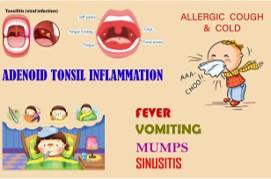
SINUSITIS
Sinusitis, commonly known as a sinus infection, refers to inflammation or swelling of
the sinuses, which are the air-filled cavities located behind the forehead, cheeks, and
eyes. Sinusitis can be acute (short-term) or chronic (lasting longer than 12
weeks)
Causes
Viral Infections: The common cold and influenza viruses are common causes of acute viral sinusitis.
Bacterial Infections: Bacterial sinusitis may occur as a complication of a viral upper respiratory infection or due to other factors such as allergies or anatomical abnormalities.
Allergies: Allergic rhinitis (hay fever) can cause inflammation of the nasal passages and sinuses, leading to sinusitis.
Anatomical Abnormalities: Structural issues such as a deviated septum or nasal polyps can obstruct the sinus passages and increase the risk of sinusitis.
Environmental Factors: Exposure to environmental irritants such as cigarette smoke, air pollution, or chemical fumes can irritate the nasal passages and sinuses, leading to inflammation and infection.
Symptoms
ADENOID TONSIL INFLAMMATION
Adenoid tonsils are located at the back of the nasal cavity and are part of the body's immune system. Adenoiditis refers to inflammation or infection of the adenoid tonsils
Causes
Viral Infections: Adenoiditis often occurs as a result of viral upper respiratory infections, such as the common cold or adenovirus.
Bacterial Infections: Bacterial infections, particularly group A streptococcus (Strep throat), can also cause inflammation of the adenoid tonsils.
Allergies: Allergic reactions to environmental allergens can lead to inflammation of the adenoids.
Chronic Nasal Congestion: Persistent nasal congestion or inflammation can contribute to adenoid enlargement and inflammation.
Gastroesophageal Reflux Disease (GERD): Reflux of stomach acid into the throat and nasal passages can irritate the adenoids and lead to inflammation.
Symptoms
MUMPS
Mumps is a contagious viral infection caused by the mumps virus. It primarily affects the salivary glands, leading to swelling and inflammation, but it can also affect other organs and systems in the body. It's important to note that while mumps is generally a mild and self-limiting illness in children, it can cause more severe complications in adolescents and adults, including orchitis, oophoritis, and rarely, encephalitis or meningitis.
Causes
Mumps is caused by the mumps virus, which belongs to the Paramyxovirus family.
The virus is highly contagious and spreads through respiratory droplets from coughing, sneezing, or close contact with an infected person.
The virus can also spread indirectly through contaminated surfaces or objects.
Symptoms