
Infertility
- 28 Jun 2024
- 1 Comments
- Health

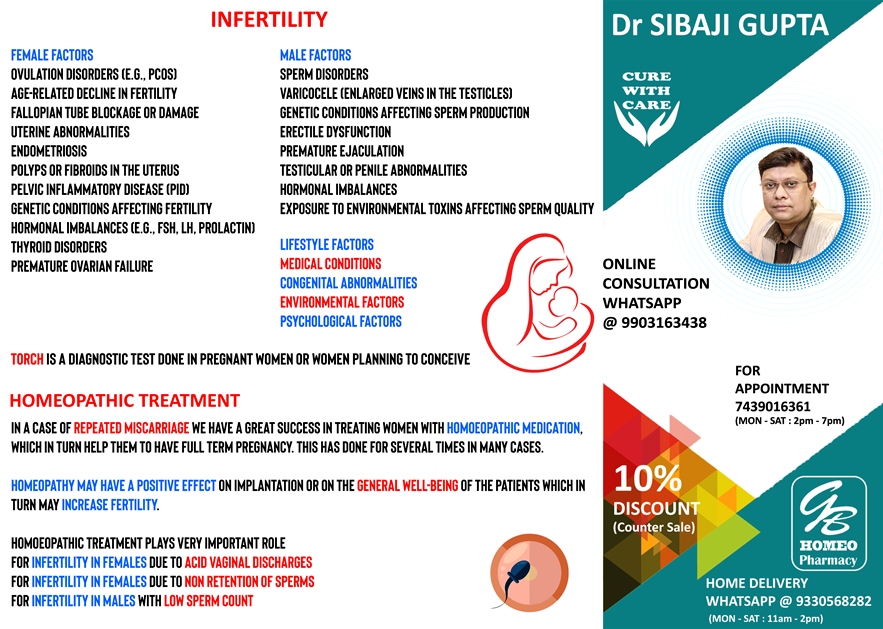
INFERTILITY
Female Factors
Ovulation Disorders (e.g., PCOS)
Age-related decline in fertility
Fallopian Tube Blockage or Damage
Uterine Abnormalities
Endometriosis
Polyps or Fibroids in the Uterus
Pelvic Inflammatory Disease (PID)
Genetic Conditions affecting fertility
Hormonal Imbalances (e.g., FSH, LH, prolactin)
Thyroid Disorders
Premature Ovarian Failure
Male Factors
Sperm Disorders (low sperm count, poor motility, abnormal morphology)
Varicocele (enlarged veins in the testicles)
Genetic Conditions affecting sperm production
Erectile Dysfunction
Premature Ejaculation
Testicular or Penile Abnormalities
Hormonal Imbalances (e.g., low testosterone)
Exposure to Environmental Toxins affecting sperm quality
Lifestyle Factors
Smoking
Excessive Alcohol Consumption
Recreational Drug Use
Obesity or Underweight
Poor Diet and Nutrition
Lack of Physical Activity
High Levels of Stress
Inadequate Sleep
Medical Conditions
Diabetes
Autoimmune Disorders
Celiac Disease
Cancer and Cancer Treatments
Chronic Illnesses affecting reproductive organs
Sexually Transmitted Infections (STIs)
Medications affecting fertility
Structural Issues
Congenital Abnormalities
Tubal Ligation (surgical sterilization)
Previous Pelvic or Abdominal Surgeries
Adhesions or Scarring in the Reproductive Organs
Unexplained Infertility
In some cases, despite thorough testing, the exact cause remains unknown.
Environmental Factors
Exposure to Pesticides and Chemicals
Occupational Hazards
Radiation Exposure
Psychological Factors
Stress
Anxiety
Depression
Relationship Issues
It's important to recognize that infertility often involves a combination of factors, and individual cases may vary. Couples experiencing difficulty conceiving should seek the advice of fertility specialists and undergo a comprehensive evaluation to identify specific contributing factors.
TORCH is a diagnostic test done in pregnant women or women planning to conceive. It aids in screening infections caused by Toxoplasma, Syphilis, Rubella, Cytomegalovirus, and Herpes simplex virus microorganisms.
HOMEOPATHIC TREATMENT
In a case of repeated miscarriage we have a great success in treating women with homoeopathic medication, which in turn help them to have full term pregnancy. This has done for several times in many cases.
Homeopathy may have a positive effect on implantation or on the general well-being of the patients which in turn may increase fertility.
Homoeopathic treatment plays very important role
For Infertility in Females due to Acid Vaginal Discharges
For Infertility in Females due to Non Retention of Sperms
For Infertility in Males with Low Sperm Count




321
21 May 2024