
Weight Range Correlation with Osteoarthritis
- 28 Jun 2024
- 2 Comments
- Health

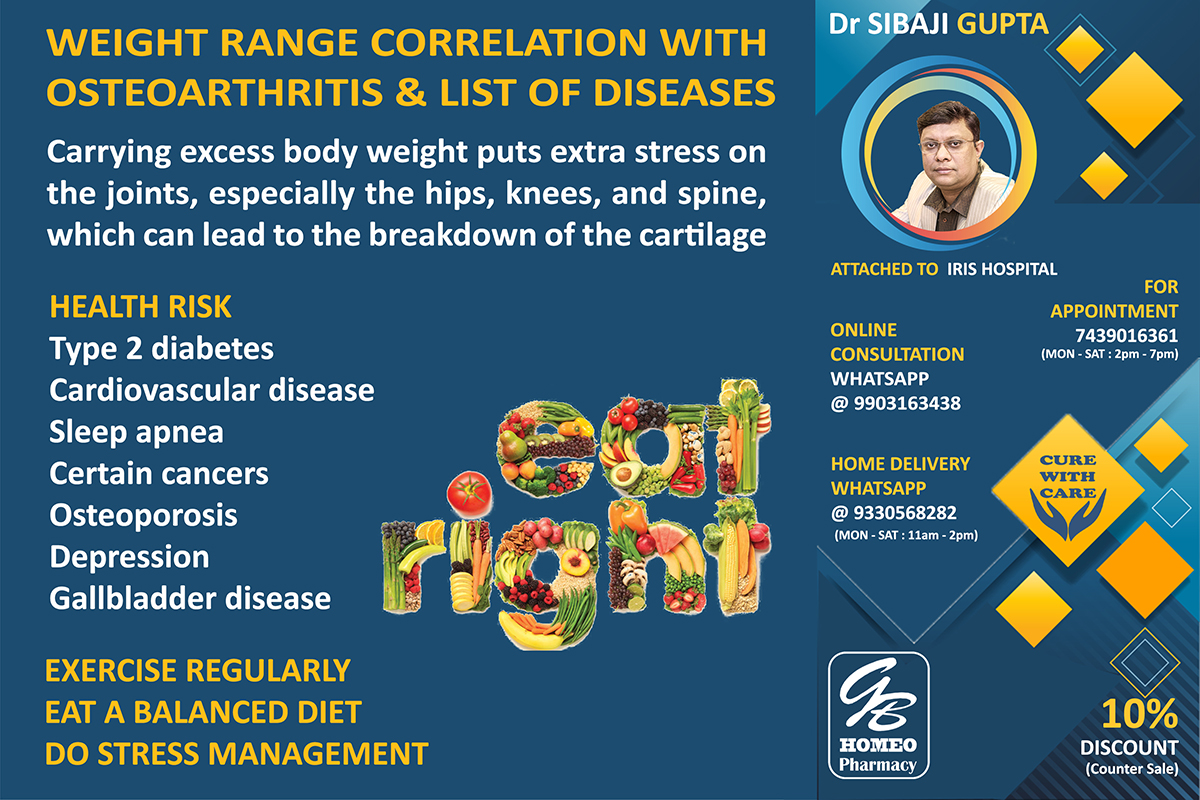
WEIGHT RANGE CORRELATION WITH OSTEOARTHRITIS & LIST OF DISEASES
There is a well-established correlation between weight range and the risk of developing osteoarthritis. Osteoarthritis is a type of joint disease that occurs when the protective cartilage that cushions the joints wears down over time, leading to pain, stiffness, and reduced mobility.
Carrying excess body weight puts extra stress on the joints, especially the hips, knees, and spine, which can lead to the breakdown of the cartilage over time. In fact, each additional pound of body weight can add up to four pounds of pressure on the knee joint during daily activities. This increased pressure can accelerate the progression of osteoarthritis and make symptoms worse.
There are many other diseases that are also associated with weight range, including -
Type 2 diabetes: Obesity is a major risk factor for developing type 2 diabetes. Excess body weight can cause insulin resistance, which impairs the body's ability to regulate blood sugar levels.
Cardiovascular disease: Being overweight or obese can increase the risk of developing heart disease, high blood pressure, and stroke.
Sleep apnea: Sleep apnea is a condition in which breathing is interrupted during sleep. Obesity is a major risk factor for sleep apnea, as excess body weight can put pressure on the airways and make it more difficult to breathe.
Certain cancers: Obesity has been linked to an increased risk of several types of cancer, including breast cancer, colon cancer, and endometrial cancer.
Osteoporosis: While excess body weight can increase the risk of osteoarthritis, it can also reduce the risk of osteoporosis. This is because weight-bearing exercise can help strengthen bones and prevent bone loss.
Depression: Obesity has been linked to an increased risk of depression, and people who are overweight or obese may be more likely to experience poor self-esteem and social isolation.
Gallbladder disease: Obesity is a major risk factor for developing gallbladder disease, including gallstones.
It is important to note that maintaining a healthy weight is just one factor that can help prevent these diseases. Other lifestyle factors, such as regular exercise, a balanced diet, and stress management, are also important for overall health and well-being.






111
28 Jun 2024
222
01 Jul 2024