
Dengue & Malaria
- 28 Jun 2024
- 0 Comments
- Health

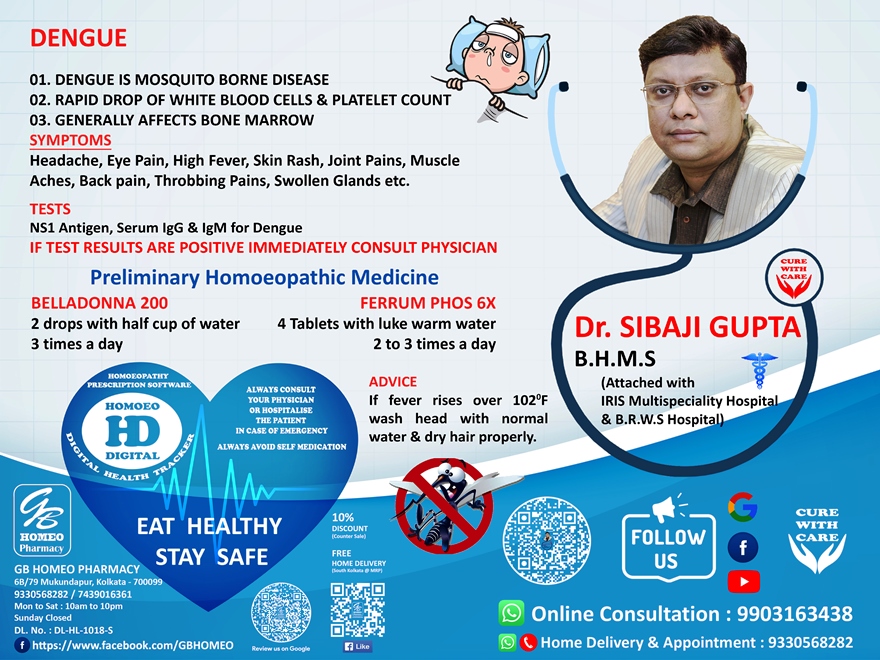
DENGUE
Dengue fever is caused by the dengue virus, which belongs to the Flaviviridae family. It is primarily transmitted to humans through the bite of infected female Aedes mosquitoes, particularly Aedes aegypti and Aedes albopictus. These mosquitoes are most active during the day, especially during early morning and late afternoon. There are four distinct serotypes of the dengue virus (DEN-1, DEN-2, DEN-3, and DEN-4), all of which can cause dengue fever.
Symptoms
Dengue fever typically presents with symptoms such as high fever, severe headache, pain behind the eyes, joint and muscle pain, rash, and in severe cases, it can lead to haemorrhagic fever or dengue shock syndrome.
Prevention
Prevention measures include reducing mosquito breeding sites, using mosquito repellents, wearing protective clothing, and implementing mosquito control measures.
MALARIA
Malaria is caused by Plasmodium parasites, which are protozoan parasites of the genus Plasmodium. Several species of Plasmodium can infect humans, including Plasmodium falciparum, Plasmodium vivax, Plasmodium malariae, and Plasmodium ovale. It is transmitted to humans through the bite of infected female Anopheles mosquitoes. These mosquitoes typically bite between dusk and dawn, depending on the species.
Symptoms
Symptoms of malaria include fever, chills, sweats, headache, nausea, and vomiting. In severe cases, malaria can lead to complications such as severe anaemia, cerebral malaria, or organ failure.
Prevention
Prevention strategies for malaria include using insecticide-treated bed nets, taking antimalarial medications when traveling to malaria-endemic areas, using insect repellents, and implementing vector control measures.



0 Comments